
Professional Help for Sensitive Teeth and Gum Pain
Tooth sensitivity, also called dentin hypersensitivity, is a short, sharp pain that occurs when exposed dentin responds to thermal, chemical, or tactile stimuli. This page provides specific answers for people whose teeth hurt with cold, heat, sweets, or brushing and want professional solutions for lasting relief.
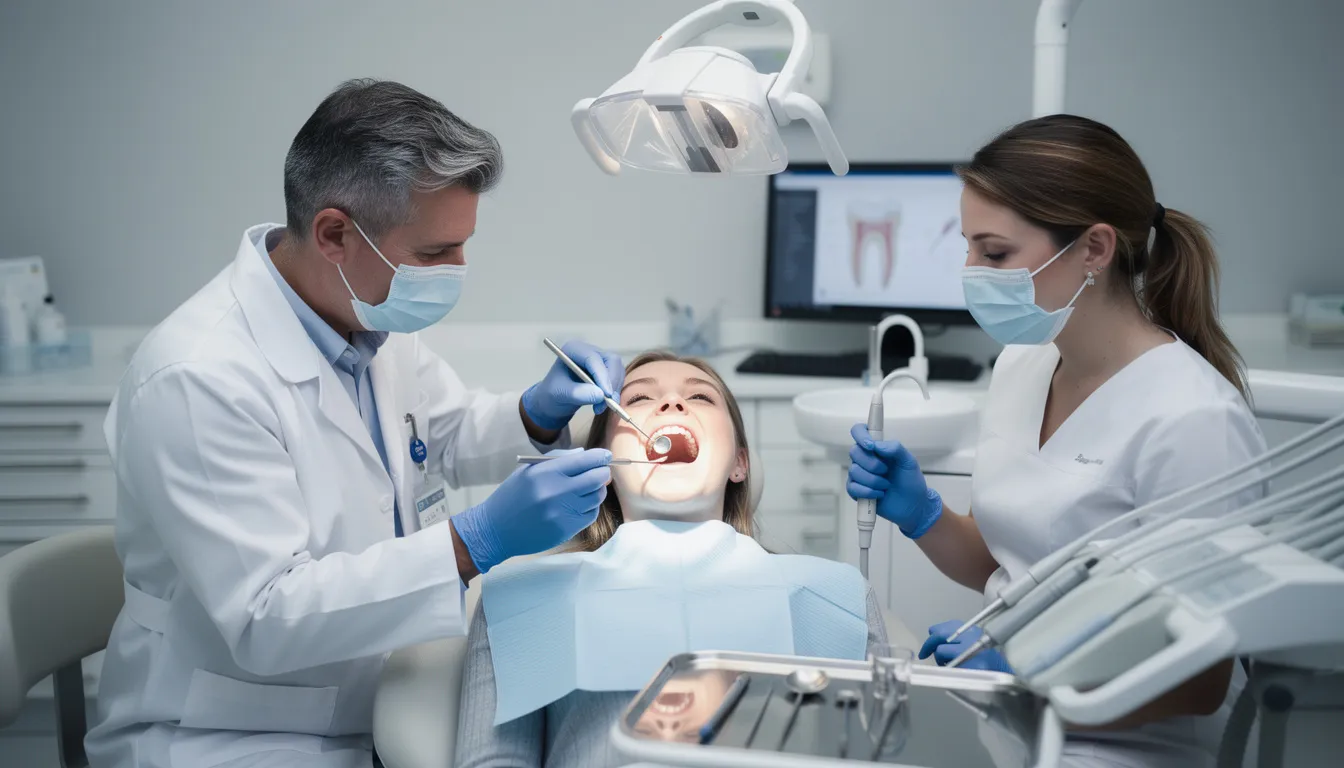
Our modern dental clinic offers comprehensive services for sensitive teeth, including:
-
Diagnostic Exams: Advanced digital imaging and sensitivity testing
-
Fluoride Varnish Treatments: Professional-strength applications
-
Dental Bonding: Protective coverage for exposed dentin
-
Custom Night Guards: Protection against teeth grinding damage
-
Gum Grafting Referrals: Coverage for exposed root surfaces
Call us immediately if you experience:
-
Sudden severe pain on one side of your mouth
-
Pain that wakes you at night
-
Visible tooth fracture or chip
-
Facial swelling or fever
-
Pain lasting more than 60 seconds after stimulus removal
Schedule your sensitivity evaluation today – any tooth sensitivity lasting more than 48-72 hours requires professional diagnosis.
Why Your Tooth Is Sensitive
Tooth sensitivity is pain that happens when dentin or tooth roots are exposed to triggers like cold air, ice water, or sweets. When the protective enamel layer wears away or gum tissue recedes, underlying dentin becomes exposed to external stimuli, creating characteristic sharp pain.
The most common underlying causes include:
-
Enamel wear from acidic foods and aggressive brushing
-
Gum recession exposing sensitive root surfaces
-
Tooth decay creates pathways to nerve endings
-
Cracked teeth allow stimuli to reach the inner layers
-
Recent dental procedures temporarily open dentin tubules
-
Teeth whitening is causing temporary nerve sensitivity
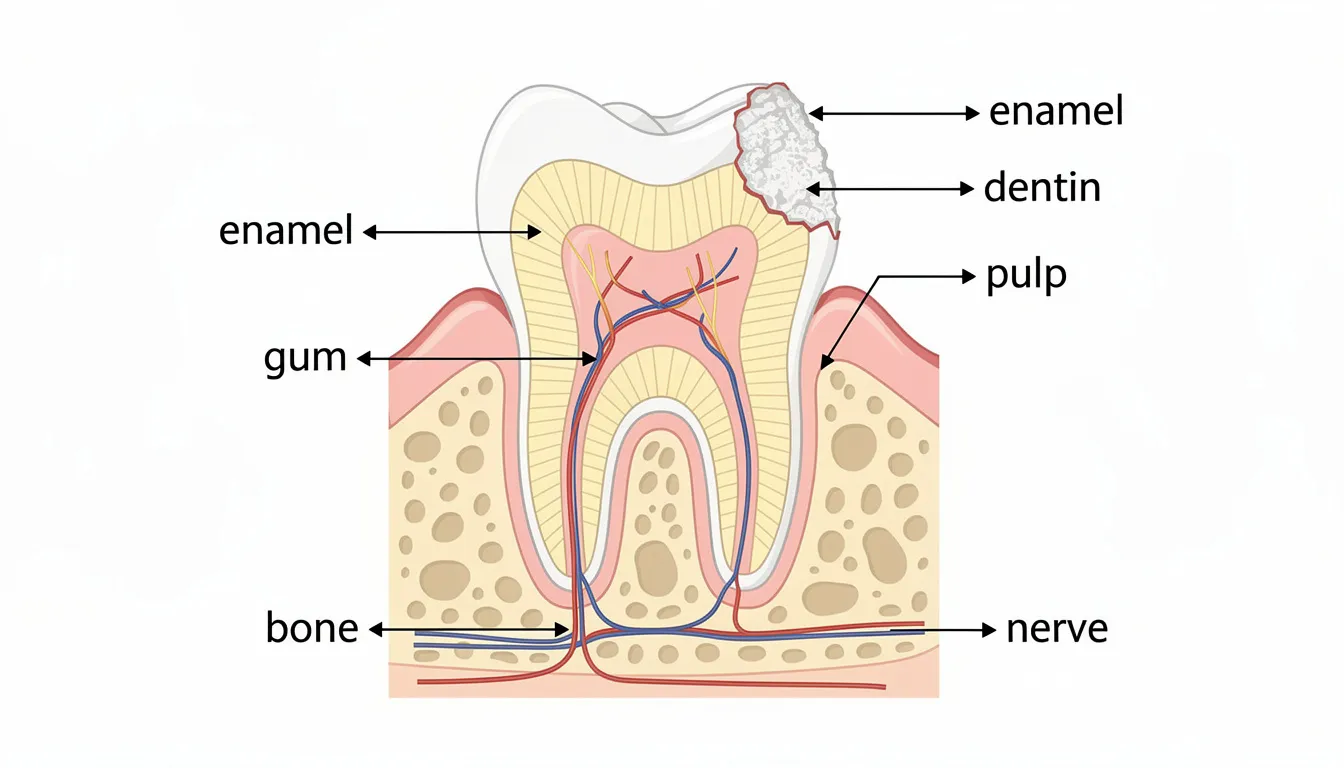
Typical sensations include short, sharp pain lasting seconds rather than dull ache lasting hours. Studies estimate 20-40% of adults aged 20-50 experience tooth sensitivity, with peak occurrence in people during their thirties and forties.
Identifying the underlying cause early in 2025 prevents more complex and expensive treatments later, as untreated sensitivity often indicates progressive enamel erosion or advancing gum disease.
Common Triggers for Tooth Sensitivity
Sensitive teeth respond to specific triggers that cause rapid movement of fluid within microscopic tubules connecting to nerve endings.
Thermal Triggers:
-
Ice water and frozen desserts are causing sharp pain
-
Hot coffee, tea, and soup create immediate discomfort
-
Cold air during winter exposure
-
Hot or cold temperatures during dental procedures
Chemical Triggers:
-
Acidic foods like citrus fruits and tomatoes
-
Carbonated sodas and energy drinks
-
Red wine and vinegar-based dressings
-
Sweet treats and sugary beverages
Mechanical Triggers:
-
Brushing your teeth with firm pressure
-
Flossing around sensitive areas
-
Biting into hard bread crusts
-
Chewing on one side due to discomfort
Post-Treatment Triggers:
-
Temporary sensitivity after fillings or crowns (1-4 weeks)
-
Teeth whitening procedures (24-48 hours)
-
Professional cleanings expose previously covered areas
Most Frequent Causes of Sensitive Teeth
This section breaks down major causes of tooth sensitivity and how each leads to pain when eating, drinking, or brushing.
Worn or Thin Enamel
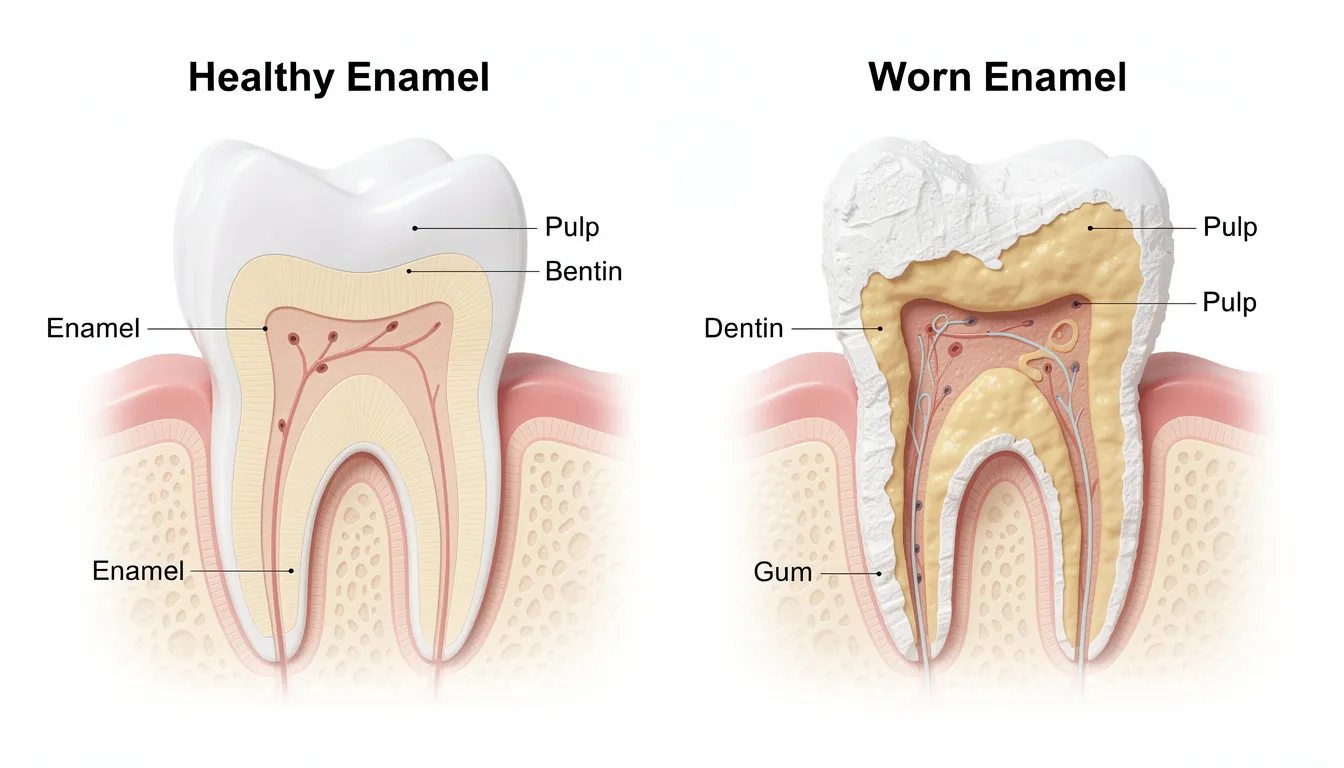
Enamel erosion exposes underlying dentin and its thousands of microscopic tubules, which carry fluid directly to nerve endings. When the protective enamel layer thins, external stimuli easily reach sensitive inner structures.
-
Modern lifestyle contributors: Constant sipping of sodas, frequent energy drink consumption, flavored sparkling water with citric acid
-
Visual signs: Yellowing teeth from exposed dentin, rounded tooth edges, small cupped areas on biting surfaces
-
Pain pattern: Multiple teeth affected simultaneously rather than isolated sensitivity
-
Risk factors: Acidic diet, frequent snacking, gastric reflux, exposing teeth to stomach acid
Gum Recession and Exposed Roots
Gum recession exposes root surfaces covered with cementum rather than enamel, creating naturally sensitive areas. Root surfaces lack the mineral density of enamel, making them highly responsive to temperature and chemical stimuli.
-
Common causes: Aggressive brushing techniques, untreated gum disease, orthodontic movement beyond bone limits
-
Additional factors: Natural aging, tongue or lip piercings, creating mechanical trauma
-
Typical pattern: Sensitivity at the gum line affecting canines and premolars most frequently
-
Warning signs: “Longer-looking” teeth, visible notches near the gum line, bleeding when brushing
Cavities and Early Tooth Decay
Tooth decay creates holes that bypass protective enamel and expose sensitive dentin directly to oral stimuli. Early cavities may only be visible on dental X-rays, while advanced decay shows obvious brown or black spots.
-
Pain characteristics: Localized sensitivity to sweets, cold temperatures, and chewing pressure
-
Progressive symptoms: Pain lingering more than 30 seconds indicates a deeper cavity or an inflamed pulp
-
Detection challenges: Microscopic decay between teeth is invisible to naked eye examination
-
Urgency factor: Untreated tooth decay remains a leading cause of tooth loss despite modern dental advances
Cracks, Chips, and Fractured Teeth
Cracked tooth syndrome involves hairline fractures, causing sharp pain when biting down or releasing chewing pressure. These microscopic cracks allow stimuli to reach underlying dentin and potentially pulp tissue.
-
Common causes: Biting hard objects like ice or popcorn kernels, past dental trauma, large silver fillings placed before 2010
-
Symptoms: Sharp pain during chewing, cold sensitivity isolated to one tooth, floss catching on rough edges
-
Detection difficulty: Cracks are often invisible on X-rays, requiring special lighting and dyes for diagnosis
-
Treatment urgency: Untreated cracks spread into the tooth root, requiring extraction rather than restoration
Teeth Grinding (Bruxism) and Clenching
Teeth grinding wears away protective enamel and creates microscopic cracks throughout the tooth structure, dramatically increasing sensitivity to all stimuli. Chronic grinding subjects teeth to forces exceeding normal chewing by 2-5 times.
-
Recognition signs: Morning jaw soreness, temple headaches, flattened chewing surfaces, chipped tooth edges
-
Sleep-related patterns: Many patients are unaware of nighttime grinding until their partners report sounds
-
Stress connections: Work pressure, anxiety, and sleep disorders frequently trigger grinding episodes
-
Modern treatments: Custom night guards from digital scans, stress management techniques, bite adjustment procedures
Tooth Sensitivity After Whitening or Dental Work
Teeth whitening procedures and some dental treatments temporarily open or enlarge dentin tubules, creating short-term sensitivity that typically resolves within days to weeks.
-
Whitening timeline: Hydrogen peroxide sensitivity peaks within 24-48 hours, subsiding within one week
-
Post-filling sensitivity: New restorations may cause temperature sensitivity lasting several days to weeks
-
Normal vs. concerning: Brief sensitivity stops when stimulus is removed; concerning pain worsens over time
-
Red flags: Pain disrupting sleep, sensitivity only when biting one side, or symptoms lasting beyond the expected timeframe
How to Prevent Tooth Sensitivity from Getting Worse
Most tooth sensitivity can be reduced or prevented through consistent daily oral care and regular professional monitoring. Prevention strategies focus on protecting enamel, maintaining healthy gum tissue, and avoiding behaviors that expose sensitive dentin.
Daily Oral Care Habits
Proper brushing techniques using fluoride toothpaste and soft-bristle brushes prevent enamel wear while maintaining excellent oral health. Brush twice daily for exactly 2 minutes using gentle pressure and systematic coverage of all tooth surfaces.
-
Optimal brush angle: 45-degree positioning at the gum line with small circular motions
-
Flossing routine: Once-daily interdental cleaning prevents plaque buildup
-
Water flossers: Gentle alternative for sensitive areas or tight contacts
-
Fluoride rinses: Nighttime applications providing additional enamel strengthening
Diet Changes to Protect Enamel
Avoiding acidic foods and drinks during constant exposure prevents enamel erosion, leading to sensitivity. Limit carbonated beverages, citrus fruits, and sports drinks to mealtimes rather than continuous sipping throughout the day.
-
Post-acid protocol: Rinsing with plain water immediately after acidic foods
-
Timing considerations: Waiting 30 minutes before brushing after acid exposure
-
Straw usage: Reducing direct tooth contact with acidic beverages
-
Enamel-friendly nutrition: Emphasizing dairy products, calcium-rich foods, and plenty of water
Protecting Teeth from Mechanical Damage
Preventing physical trauma protects enamel and prevents cracks, leading to sensitivity. Avoid using teeth as tools and protect them during sports and physical activities.
-
Habit modification: Eliminating ice chewing, pen biting, and package opening with teeth
-
Sports protection: Custom mouth guards for contact activities and intense exercise
-
DIY treatment caution: Professional consultation before using whitening kits or aligners
-
Sleep protection: Night guards prevent grinding damage to enamel
Regular Checkups and Monitoring
Professional dental visits every 6-12 months allow early detection of enamel wear, gum recession, and developing cracks before they cause severe sensitivity. Digital photography and X-rays track changes over time.
-
Preventive focus: Addressing minor problems before requiring extensive treatment
-
Patient education: Learning proper techniques and identifying risk factors
-
Immediate reporting: Contacting our office for any new sensitivity rather than waiting
-
Treatment planning: Developing long-term strategies for high-risk patients
Frequently Asked Questions About Tooth Sensitivity
How do I know if my tooth sensitivity is serious?
Tooth sensitivity is serious when pain lingers for more than 30-60 seconds after stimulus removal, occurs without triggers, or interferes with sleep and daily activities. Red flags include facial swelling, bad taste, fever, or visible tooth cracks requiring immediate dental evaluation. Brief sensitivity stopping when cold or sweet stimuli are removed typically indicates manageable dentin hypersensitivity rather than serious infection.
Can sensitive teeth be cured, or only managed?
Many sensitivity causes, including cavities, high bite contacts, and gum disease, can be completely cured through appropriate treatment. Conditions like generalized enamel thinning or widespread gum recession require long-term management rather than cure. Combining professional treatments with daily preventive care significantly reduces or eliminates symptoms for most patients, though improvement occurs gradually over weeks to months rather than immediately.
How long does tooth sensitivity last after whitening?
Tooth sensitivity after professional whitening typically lasts from several hours to 48 hours, occasionally extending up to one week with at-home tray treatments. Using desensitizing toothpaste for 2 weeks before treatment, spacing whitening sessions, and reducing hydrogen peroxide concentration minimizes sensitivity. Abnormal post-whitening pain affecting one specific tooth when biting or lasting beyond expected timeframes requires immediate dental evaluation.
Which toothpaste is best for sensitive teeth in 2025?
Desensitizing toothpastes containing potassium nitrate or stannous fluoride have the strongest clinical evidence for reducing tooth sensitivity. Look for products displaying current ADA acceptance seals updated for 2025 standards. Use the same brand consistently for at least 4 weeks before evaluating effectiveness, as gradual improvement requires continuous exposure to active ingredients.
Can tooth sensitivity be a sign of something serious like an infection?
Tooth sensitivity can occasionally indicate serious conditions, including deep decay, cracked roots, or pulp infection requiring urgent treatment. Infection warning signs include spontaneous throbbing pain, discomfort when lying down, facial swelling, or pimple-like bumps on the gums. Any combination of these symptoms with sensitivity requires immediate dental or urgent care evaluation to prevent complications.